
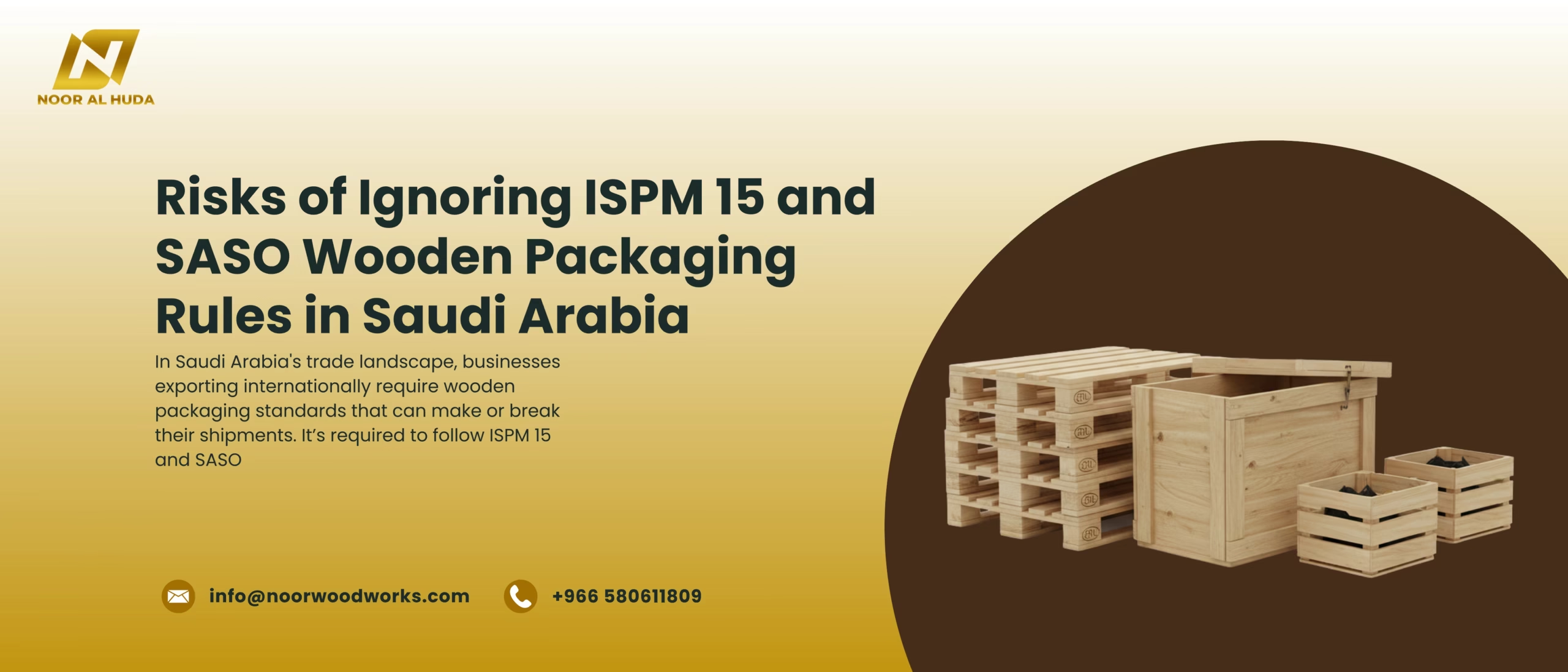
In Saudi Arabia’s trade landscape, businesses exporting internationally require wooden packaging standards that can make or break their shipments. It’s required to follow ISPM 15 and SASO. They’re not mere formalities. They’re critical gatekeepers that determine whether your cargo reaches its destination or gets rejected at customs. This single thing can cost you thousands of riyals and irreparable damage to your business reputation.
Understanding ISPM 15 standards and SASO packaging standards isn’t just about regulatory compliance. It’s about protecting your bottom line, maintaining customer trust, and ensuring seamless operations in an increasingly competitive global marketplace. For businesses across Dammam, Al Khobar, Jubail, and Bahrain, the consequences of non-compliance with export packaging standards can be devastating.
This comprehensive guide explores the critical risks associated with ignoring these international packaging standards. Moreover, it reveals how partnering with certified providers like Noor Wood Works can safeguard your exports. Meanwhile, ensure full compliance with wooden pallet standards and packaging compliance rules.
1. Understanding ISPM 15 and SASO: Why These Wooden Packaging Standards Matter
What is ISPM 15 and Why Is It Required?
The International Standard for Phytosanitary Measures No. 15 (ISPM 15) represents a global agreement for wooden packaging standards. It’s developed under the International Plant Protection Convention (IPPC). It’s to prevent the spread of invasive pests and plant diseases through wooden packaging materials used in international trade.
Why ISPM 15 is required:
- Protects global ecosystems from harmful forest pests
- Ensures heat-treated packaging kills wood-boring insects and pathogens
- Maintains biodiversity by preventing cross-border contamination
- Facilitates smoother customs clearance in 84+ countries, including Saudi Arabia
Since July 2024, Saudi Arabia has strictly enforced ISPM 15 compliance for all wooden packaging materials. For both entering and exiting the Kingdom. This makes it mandatory for businesses engaged in international trade.
SASO Packaging Compliance: The Saudi Arabian Standard
The Saudi Standards, Metrology and Quality Organization (SASO) sets comprehensive regulations governing packaging materials within the Kingdom. SASO packaging standards complement ISPM 15 by establishing:
- Mandatory certification through the Saber electronic platform
- Specific labeling and marking requirements
- Quality benchmarks for wooden packaging materials
- Environmental sustainability guidelines
- Product traceability protocols
Understanding SASO packaging compliance requirements is essential for any business importing or exporting goods through Saudi Arabian ports.
2. The Financial Catastrophe: Counting the Cost of Non-Compliance
Immediate Financial Losses from Rejected Shipments
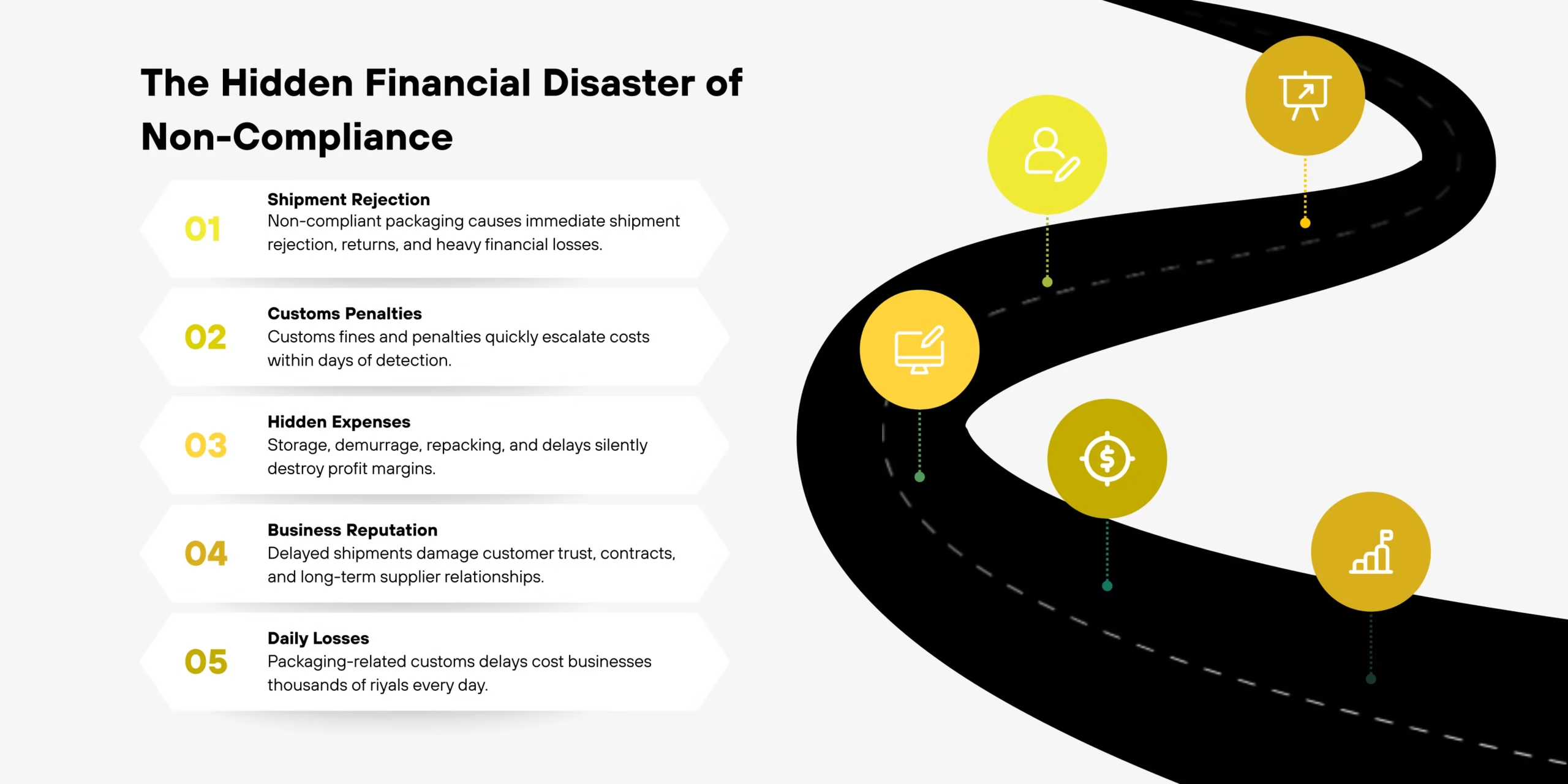
When customs authorities discover non-compliant wooden packaging, the financial consequences cascade rapidly:
Cost Category | Estimated Impact (SAR) | Timeframe |
Shipment Rejection & Return | 15,000 – 75,000 | Immediate |
Customs Fines & Penalties | 5,000 – 50,000 | 1-3 days |
Repacking & Reshipment | 10,000 – 40,000 | 7-14 days |
Storage & Demurrage Fees | 2,000 – 8,000/day | Ongoing |
Lost Sales & Contract Penalties | 50,000 – 500,000+ | Variable |
The Saudi packaging market, valued at SAR 39 billion (USD 10.44 billion), is growing and demands strict adherence to regulations. Non-compliance doesn’t just delay one shipment. It can trigger a domino effect of export shipment rejection risks that paralyze your entire supply chain.
Hidden Costs That Destroy Profit Margins
Beyond direct expenses, risks of non-compliant packaging include:
- Customer Relationship Damage: 73% of clients consider switching suppliers after a single delayed shipment
- Reputation Erosion: Negative reviews and word-of-mouth in Saudi Arabia’s tight-knit business community
- Insurance Complications: Claims may be denied for violations of wood packaging regulations
- Opportunity Costs: Missed market windows, especially critical during peak seasons
- Administrative Burden: Hours spent on documentation, appeals, and coordination
Research indicates that customs delays packaging issues cost businesses an average of SAR 12,000 per day in the Saudi market. Some companies reportslosses exceeding SAR 150,000 for a single non-compliant shipment.
3. Customs Rejection: When Your Shipment Becomes a Liability
The Anatomy of a Rejected Shipment
Customs delays packaging issues at Saudi ports follow a predictable and painful pattern:
- Initial Inspection: Customs officers identify missing pallet marking requirements or improper heat treatment process wood
- Immediate Hold: Your entire shipment is quarantined, regardless of cargo value
- Notice Issued: You receive an Emergency Action Notice demanding immediate re-export
- 24-48 Hour Deadline: Urgent decisions required under extreme pressure
- Forced Return: Cargo ships back to origin at your expense, often with no recourse
Saudi Arabian authorities have similarly intensified enforcement since mandating ISPM 15 compliance in July 2024.
4. Legal and Regulatory Consequences: Beyond the Immediate Crisis
Penalties and Enforcement Actions
Saudi Arabian authorities take packaging compliance rules seriously, with escalating penalties for violations:
- First Offense: Mandatory shipment return plus fines ranging from SAR 5,000-20,000
- Repeat Violations: Doubled fines and possible import/export license suspension
- Fraudulent Markings: Criminal prosecution with fines up to SAR 100,000 and potential imprisonment
- Blocklisting: Permanent records affecting future customs clearances
The Saudi Food and Drug Authority (SFDA) and SASO maintain comprehensive databases tracking compliance history. Companies with repeated violations face increasingly stringent scrutiny on all future shipments.
International Trade Ramifications
Consequences of ignoring standards extend beyond Saudi borders:
- WTO Compliance Issues: Violations can trigger complaints under World Trade Organization agreements
- Trading Partner Restrictions: The European Union, the United States, and other markets maintain strict international trade packaging rules
- Certification Revocations: Loss of quality certifications and industry accreditations
Supply Chain Disruptions: Upstream and downstream partners may sever relationships to protect their own compliance
5. Operational Chaos: How Non-Compliance Disrupts Your Entire Business
Supply Chain Paralysis
When a shipment fails wooden packaging inspection, the operational fallout extends far beyond the rejected cargo:
Immediate Impacts:
- Production schedules thrown into disarray as downstream partners await materials
- Warehouse space consumed by returned goods, creating storage bottlenecks
- Transportation resources wasted on double-handling and emergency reshipping
- Labor diverted from productive activities to crisis management
Cascading Effects:
- Just-in-time inventory systems collapse without expected deliveries
- Manufacturing lines idle due to missing components, costing thousands per hour
- Retail partners experience stock-outs during critical sales periods
- Service contracts breach due to inability to deliver promised materials
Saudi Arabia’s packaging materials market, projected to reach SAR 42.45 billion (USD 11.3 billion) demands operational excellence. Companies that can’t maintain pallet quality control standards will struggle to compete.
The Resource Drain of Remediation
Correcting non-compliance issues consumes valuable resources:
- Management Attention: Senior executives spending days managing crises instead of strategic initiatives
- Staff Burnout: Employees working overtime to resolve preventable problems
- Customer Service Overload: Constant communications with angry clients demanding explanations
- Legal Consultation: Engaging attorneys and trade specialists to navigate regulatory challenges
- Quality System Overhauls: Implementing retroactive controls that should have been in place originally
One Saudi manufacturer reported spending over 480 business hours (equivalent to 12 weeks for one employee) resolving a single non-compliance incident. In this way, they could have been prevented with proper packaging compliance checklist procedures.
Need wooden Packaging Products?

6. Reputation Damage: The Hidden Risk That Compounds Over Time
Trust Erosion in B2B Relationships
In Saudi Arabia’s business landscape, where personal relationships and trust drive deals, risks of non-compliant packaging as well. It is also extended to your brand’s reputation:
- Reliability Questioned: Partners wonder what other corners you might be cutting
- Due Diligence Red Flags: Potential clients discover compliance issues during background checks
- Tender Disqualifications: Government and enterprise RFPs often require proven compliance records
- Industry Blocklisting: Word spreads quickly within Saudi Arabia’s interconnected business communities
A 2024 survey of Saudi importers revealed that 68% would immediately blocklist a supplier after a single customs rejection. This was due to packaging non-compliance. Meanwhile, 89% conduct thorough compliance audits before establishing new supplier relationships.
Digital Reputation in the Modern Era
Your compliance failures become permanent internet records:
- Customs databases accessible to trading partners worldwide
- Industry forums discussing problematic suppliers
- LinkedIn and social media where dissatisfied customers share experiences
- Google searches revealing news articles about major violations
- B2B review platforms featuring compliance complaints
In the digital age, a single packaging compliance failure can haunt your business for years. As it appears in background checks and due diligence reports, long after the incident.
7. Environmental and Safety Hazards: Why Standards Exist
The Ecological Imperative Behind ISPM 15
Phytosanitary packaging rules exist to protect global ecosystems from devastating consequences:
Real-World Pest Introductions:
- Asian longhorned beetles caused USD 2.5 billion in damage to North American forests
- Emerald ash borers destroyed millions of ash trees across continents
- Pine wood nematodes devastated European pine populations
- Each invasion traced to untreated wooden packaging materials
Saudi Arabia’s diverse ecosystems face serious threats from imported pests. The Kingdom invests heavily in agricultural protection, with strict enforcement of heat treatment process wood requirements reflecting these environmental priorities.
Workplace Safety Considerations
Non-compliant wooden packaging creates workplace hazards:
- Structural Failures: Pallets that haven’t undergone proper pallet certification standards may collapse under loads
- Pest Infestations: Warehouses receiving untreated wood can experience termite, beetle, or rodent problems
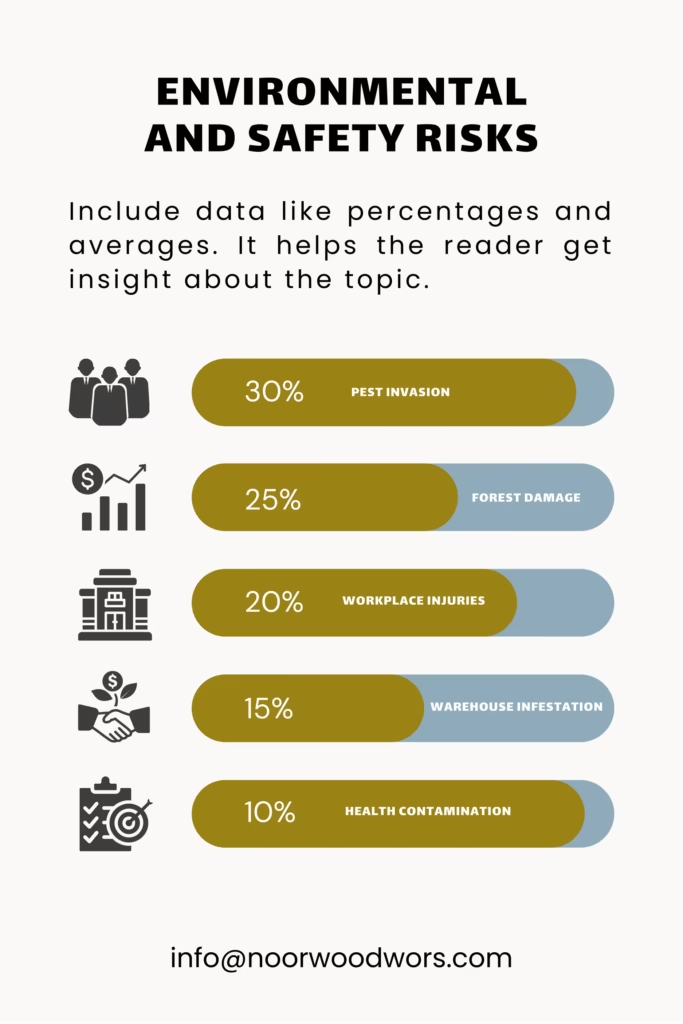
- Contamination Risks: Non-compliant materials may carry harmful fungi, molds, or bacteria
- Handling Injuries: Substandard pallets splinter, crack, or break during forklift operations
Saudi Arabia’s Occupational Safety and Health regulations hold businesses accountable for workplace incidents. Using non-compliant wooden packaging can trigger safety investigations and liability claims if workers are injured.
8. Industry-Specific Risks Across Saudi Arabian Sectors
Food and Beverage: Contamination Catastrophes
The food sector is a major driver of Saudi Arabia’s SAR 3.19 billion paper packaging market. It’s growing at 4.18% annually, and faces unique packaging compliance rules challenges:
- SFDA Regulations: Saudi Food and Drug Authority mandates strict hygiene standards for all food contact materials
- Halal Certification: Islamic dietary laws require verified pest-free, clean packaging materials
- Shelf Life Impact: Contaminated wooden packaging can spoil perishable goods worth millions
- Brand Safety: One contamination incident can destroy decades of brand equity
Major food and beverage companies require suppliers to demonstrate SASO packaging compliance through comprehensive documentation and regular audits.
Pharmaceuticals: Zero-Tolerance Compliance
Saudi pharmaceutical companies, operating under stringent SFDA oversight, cannot afford packaging violations:
- GMP Requirements: Good Manufacturing Practices demand validated, certified packaging materials
- Product Integrity: Temperature-sensitive medications require consistent, compliant packaging protection
- Regulatory Audits: International pharmaceutical standards mandate complete traceability
- Liability Exposure: Patient safety incidents triggered by packaging failures carry severe legal consequences
The pharmaceutical sector’s growth, aligned with Vision 2030 healthcare objectives, intensifies scrutiny of wooden packaging standards throughout supply chains.
Construction and Heavy Equipment: High-Value Cargo Protection
Construction materials and industrial equipment represent some of Saudi Arabia’s highest-value exports:
- Asset Protection: Single machinery units valued at SAR 500,000-5,000,000 require robust packaging
- Project Dependencies: Construction timelines with SAR 1+ billion projects at stake
- International Standards: Major contractors demand proven export packaging standards compliance
- Insurance Requirements: Coverage often conditional on using certified packaging materials
With Saudi Arabia’s construction sector booming, wooden pallet standards compliance has never been more critical.
Also Read: Complete Wooden Packaging Guide
9. The Compliance Solution: Partnering with Certified Providers
What Compliant Wooden Packaging Looks Like
Proper ISPM 15 standards compliance involves multiple verified steps:
Heat Treatment Process:
- Debarking: Complete removal of bark to eliminate pest hiding places
- Core Temperature: Wood heated to minimum 56°C (132.8°F) for 30+ consecutive minutes
- Kiln Monitoring: Continuous temperature recording throughout treatment cycle
- Cooling Protocol: Controlled cooling to prevent reinfection
- Quality Verification: Post-treatment inspection for structural integrity
Marking Requirements:
- IPPC (wheat stamp) logo clearly visible
- Country code (SA for Saudi Arabia)
- Producer/treatment facility registration number
- Treatment method identifier (HT for heat treatment)
- Indelible marking resistant to wear and weather
Noor Wood Works: Your Compliance Partner in Saudi Arabia
As a leading wooden packaging manufacturer serving across Eastern Province, Noor Wood Works provides comprehensive ISPM 15 certified solutions:
Our Certification Guarantee:
- Ministry of Agriculture-registered facility (License No. SA-XXX)
- IPPC-approved heat treatment chambers with continuous monitoring
- Complete pallet marking requirements documentation
- Certificates of Conformity for every shipment
- SASO packaging standards full compliance
Why Businesses Choose Noor Wood Works:
- 25+ Years Experience: Deep understanding of international packaging standards
- Custom Solutions: Tailored wooden pallets, crates, and boxes for every industry
- Rapid Turnaround: Express services for urgent export requirements
- Competitive Pricing: Cost-effective compliance without sacrificing quality
- Technical Support: Expert guidance on packaging compliance checklist requirements
Industries We Serve:
- Food and beverage logistics
- Pharmaceutical distribution
- Construction materials
- Heavy machinery and equipment
- Oil and gas supplies
- Manufacturing and industrial goods
10. The Cost-Benefit Analysis: Compliance as Investment, Not Expense
Quantifying the ROI of Compliant Packaging
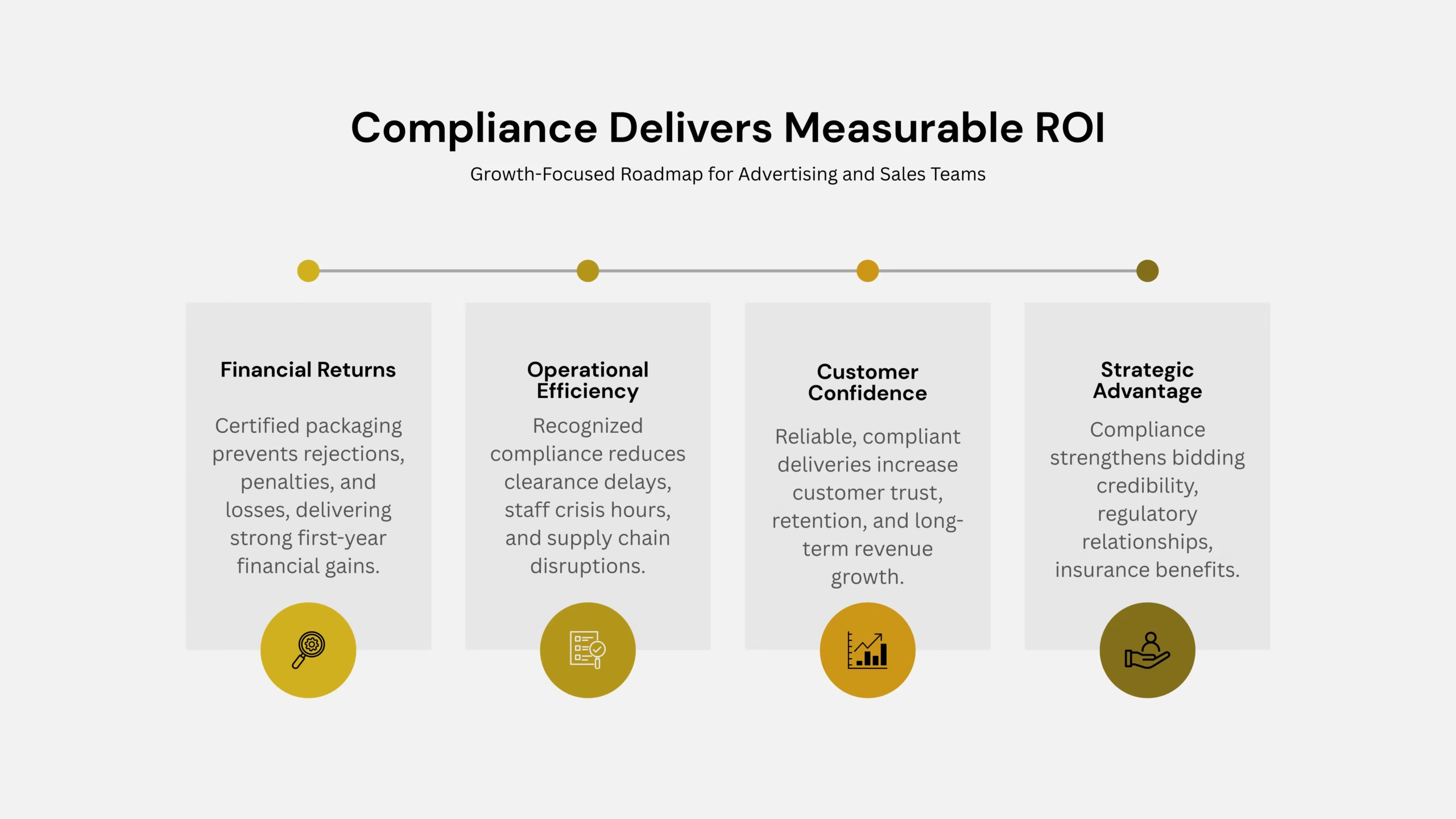
While certified wooden packaging standards may cost 10-15% more than uncertified alternatives, the return on investment is compelling:
Scenario | Non-Compliant Packaging | Noor Wood Works Certified Packaging | Net Benefit |
Initial Cost | SAR 50,000 | SAR 57,500 | (SAR 7,500) |
Rejection Risk (15% probability) | SAR 75,000 | SAR 0 | SAR 75,000 |
Customer Retention | -10% annual revenue | +5% annual growth | SAR 150,000+ |
Operational Efficiency | -25 staff hours crisis management | 0 | SAR 12,500 |
Total First-Year Impact | SAR -117,500 | SAR +57,500 | SAR 175,000 |
Over a three-year period, businesses using certified packaging typically see:
- 98% fewer customs rejections compared to non-certified alternatives
- 45% faster customs clearance times due to recognized compliance
- 23% higher customer satisfaction scores related to delivery reliability
- 67% reduction in packaging-related supply chain disruptions
Peace of Mind: The Intangible Value
Beyond measurable ROI, ISPM 15 standards compliance provides:
- Sleep Better: No 3 AM calls about rejected shipments
- Strategic Focus: Management attention on growth, not crisis firefighting
- Competitive Advantage: Compliance as a differentiator in bid processes
- Regulatory Relationships: Positive reputation with customs authorities
- Insurance Benefits: Potentially lower premiums with proven compliance records
Take Action Today: Protecting Your Business Starts Now
The Compliance Urgency
With Saudi Arabia’s enforcement of SASO packaging standards intensifying, global wood packaging regulations are becoming stricter. Delaying compliance action exposes your business to escalating risks:
- Regulatory Tightening: Authorities worldwide reducing tolerance for violations
- Supply Chain Scrutiny: Major corporations requiring documented compliance from all vendors
- Insurance Requirements: Carriers and insurers mandating certified packaging for coverage
- Competitive Pressure: Competitors with strong compliance gaining market share
- Vision 2030 Quality Standards: Saudi Arabia’s drive for world-class trade practices
Every day without proper compliance is a day your business is at risk.
Your Next Steps with Noor Wood Works
Noor Wood Works makes compliance simple, affordable, and reliable. Here’s how to get started:
Immediate Actions:
- Free Compliance Audit: Contact us for a no-obligation assessment of your current packaging practices
- Quote Request: Receive detailed pricing for ISPM 15 certified wooden pallets, crates, and boxes
- Sample Inspection: Request sample pallets to verify quality and compliance markings
- Documentation Review: We’ll examine your export documentation and identify compliance gaps
- Implementation Timeline: Get a customized plan for transitioning to certified packaging
Ongoing Partnership Benefits:
- Dedicated Account Manager: Single point of contact for all custom packaging products needs
- Regulatory Updates: Proactive notifications about standards changes
- Bulk Pricing: Volume discounts for regular orders
- Emergency Services: 24-48 hour rush production for urgent requirements
- Quality Guarantee: 100% compliance assurance on every shipment
Conclusion: Compliance Is Your Competitive Advantage
In this dynamic trade environment, the question isn’t whether you can afford ISPM 15 and SASO standards compliance. It’s whether you can afford not to.
The risks of non-compliance far outweigh the modest investment in certified wooden packaging. Saudi Arabia’s packaging market is growing rapidly, and international packaging standards enforcementis intensifying globally. Businesses that prioritize compliance will thrive while those who ignore these wooden packaging standards will face increasing challenges.
Noor Wood Works stands ready as your trusted partner. We combine quarter-century expertise with cutting-edge facilities and an unwavering commitment to heat treated packaging excellence. Our ISPM 15 certified solutions don’t just meet regulations. They exceed them, providing peace of mind and a competitive advantage.
The choice is clear: invest in compliance today, or risk catastrophic losses tomorrow. Contact Noor Wood Works now and secure your business’s export future. Partner with wooden packaging that meets every international standard, protects your goods, and safeguards your reputation.
Your shipments are too valuable to risk. Choose certified, Choose compliant, Choose Noor Wood Works.