
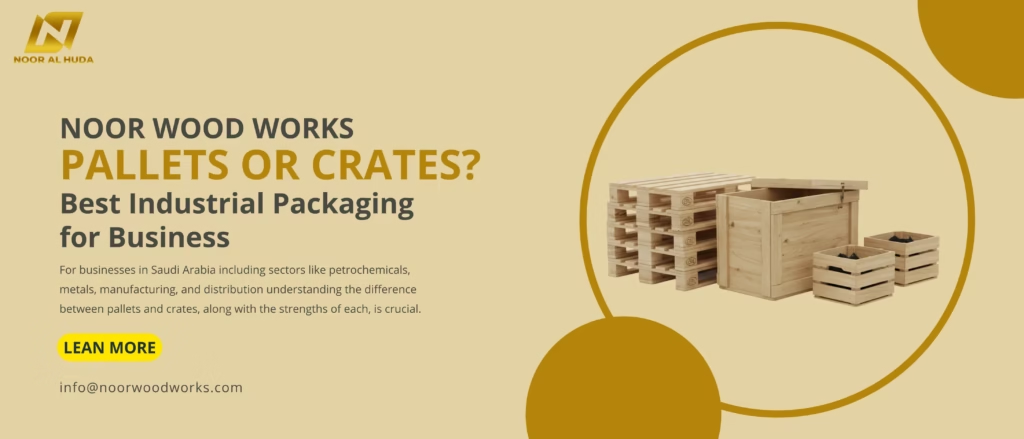
In the world of industrial shipping and export logistics, packaging isn’t just a protective layer it’s a strategic business decision. Whether a company deals with machinery, chemicals, electronics, or heavy-duty manufactured goods, choosing between pallets or crates often determines the level of cargo protection, storage efficiency, compliance, and shipping costs.
For businesses in Saudi Arabia including sectors like petrochemicals, metals, manufacturing, and distribution understanding the difference between pallets and crates, along with the strengths of each, is crucial. The right choice can optimize warehouse handling, reduce product damage, and ensure compliance with export packaging guidelines.
In this comprehensive guide, we will break down the pallets vs crates debate, compare their load capacities, explore suitable applications, and help you make an informed choice for your business.
1. Understanding the Basics: Pallets vs Crates
Before diving into industrial packaging types, it’s essential to understand what makes pallets and crates fundamentally different.
What Is a Pallet?
A pallet is a flat platform usually wood, plastic, or metal used to support goods in a stable manner during storage and transportation.
Pallets are designed for forklift and pallet jack handling, making them ideal for warehouse operations and large-volume shipping.
What Is a Crate?
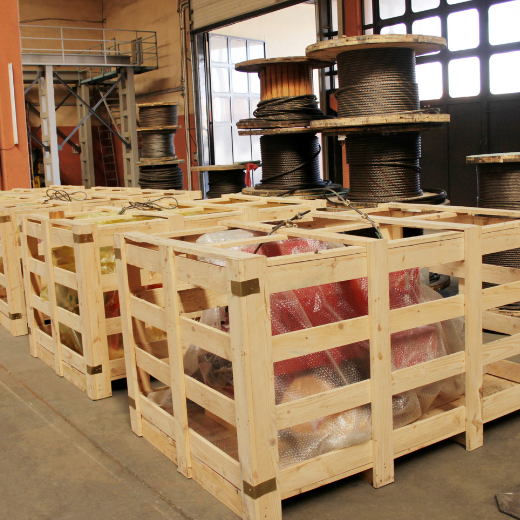
A crate is an enclosed or semi-enclosed wooden box structure that provides full perimeter protection around the cargo.
Crates are used for sensitive, fragile, or heavy-duty items that need maximum protection during export.
2. The Main Difference Between Pallets and Crates
Here is a quick comparison to clarify the difference between pallets and crates:
Feature | Pallets | Crates |
Structure | Flat, open platform | Enclosed wooden box |
Protection Level | Moderate | High to Maximum |
Ideal For | Bulk items, stackable goods | Fragile, heavy, valuable goods |
Handling | Very easy with forklifts | Requires equipment but manageable |
Export Use | Common | Best for high-risk shipping |
Ventilation | High | Medium to low depending on design |
3. Industrial Packaging Types: Where Pallets and Crates Fit In
Industrial packaging covers multiple options. Pallets and crates are two major types, but not the only ones.
Common Industrial Packaging Types Include:
- Wooden pallets
- Plastic pallets
- Wooden export crates
- Plywood boxes
- Corrugated industrial boxes
- Metal containers
- Pallet collars
- Shrink wrapping and stretch film
- Industrial cushioning (foam, bubble wrap, EPE)
Among these, pallets and crates remain the most widely used for medium to heavy goods due to durability and cost-effectiveness.
4. Pallets for Industrial Shipping
When it comes to industrial logistics, pallets are often the backbone of supply chain operations.
Benefits of Pallets for Shipping
- Fast handling in warehouses and distribution centers
- Standardized sizes for container loading
- Cost-efficient compared to crates
- High load-bearing capacity (especially wooden pallets)
- Reusability in local and regional shipping
- Perfect for bulk and stackable goods
When to Use Pallets
Use pallets when:
- Goods are boxed, shrink-wrapped, or otherwise protected
- Cargo needs to be moved frequently through forklifts
- You need efficient palletization for container loading
- Products are not extremely fragile
- Shipping distances are short to medium
Industries like FMCG, manufacturing, warehouse distribution, petrochemicals, and building materials use pallets extensively.
5. Wooden Crates for Export: Maximum Protection
Crates are the go-to solution for export shipments, especially when protection is the top priority.
Benefits of Wooden Crates
- Full enclosure protects against impact, pressure, and stacking
- Ideal for fragile items and precision equipment
- Superior moisture protection with proper treatment
- Can be customized for specific cargo dimensions
- Provide added security against theft or tampering
- Excellent for long-distance international shipments
When to Use Wooden Crates
Use crates when:
- Exporting fragile, high-value, or heavy machinery
- Shipping sensitive electronics
- Transporting industrial equipment
- Goods require long-term storage
- Cargo faces high vibration, humidity, or rough handling
- You need ISPM 15 certified packaging for export
Crates are especially popular for international shipping, marine freight, and protection against harsh environments.
6. Pallet vs Crate Comparison: Load Capacity, Protection & Cost
To choose the best packaging for heavy goods, it’s important to compare both types based on technical performance.
When evaluating the most suitable packaging for heavy industrial goods, it is essential to compare pallets and crates based on their load capacity, protection level, environmental resistance, and cost. Load capacity is a major deciding factor. Standard wooden pallets generally support 500-1500 kg, making them ideal for boxed items, cartons, and evenly distributed loads. Crates, however, use reinforced wooden panels and can support 1000-5000+ kg, depending on design, making them more reliable for bulky, irregular, or extremely heavy cargo.
Why Crates Offer Superior Protection for Heavy & Fragile Goods
Crates provide full 360° enclosure, safeguarding the cargo from all sides and significantly reducing the risk of damage during transport. They also offer strong moisture and environmental resistance, especially when upgraded with vapor barriers, treated wood, desiccants, or raised bases that prevent water contact during storage. While pallets are more cost-effective for mass distribution, crates justify their higher price when handling fragile, high-value, or export shipments. Ultimately, crates deliver unmatched durability, load-bearing strength, and long-term safety for demanding applications.
7. Choosing the Right Packaging for Your Business
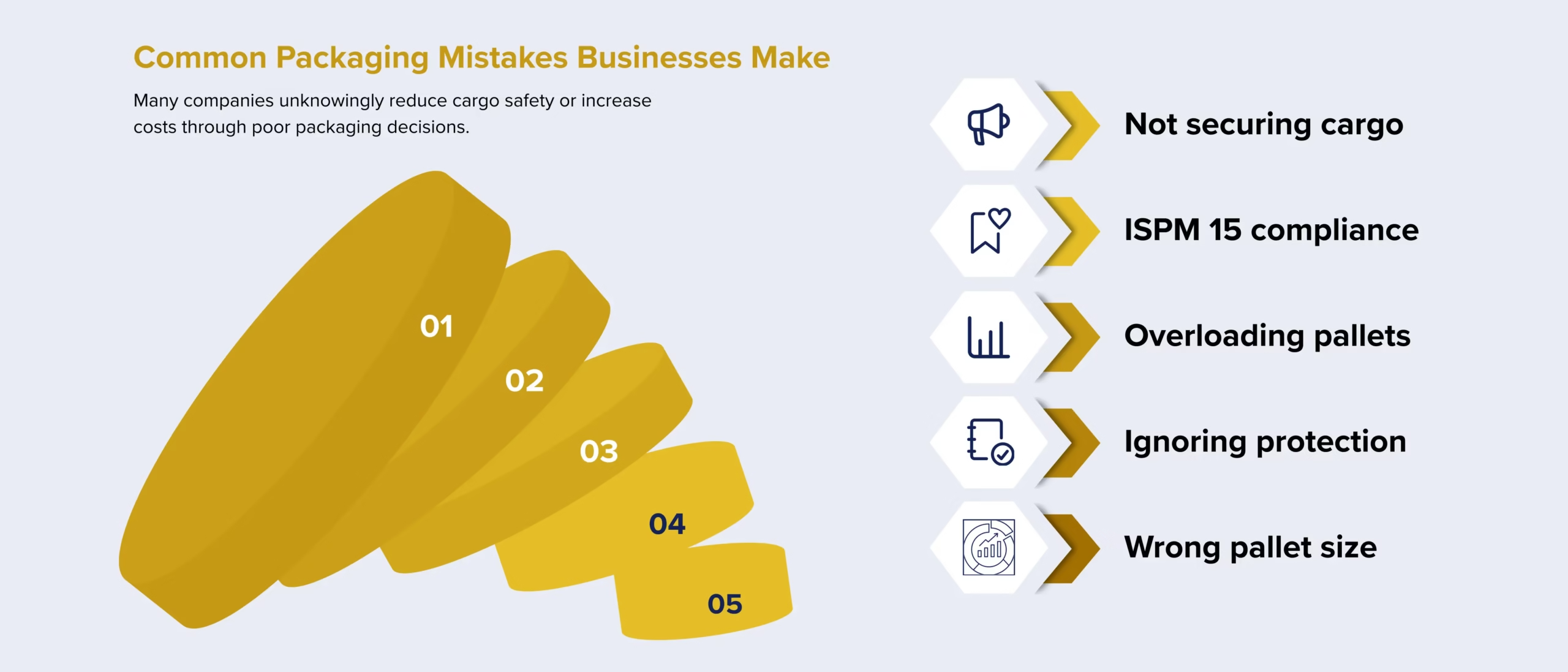
Selecting the right industrial packaging starts with understanding your product requirements and the conditions they will face throughout the supply chain. The type of goods is the first and most critical factor. Boxed, pallet-friendly, or pre-packaged items, such as chemicals, cartons, or drum barrels, are typically ideal for pallets because they can be stacked, stretch-wrapped, and moved efficiently through warehouse systems. In contrast, fragile, delicate, or irregularly shaped items like machinery, electronics, sculptures, and auto parts benefit from the enclosed protection of crates. Weight and dimensions also matter; oversized or unconventional cargo often needs the structural reinforcement of crates, while standard-sized shipments fit more effectively on pallets.
How to Select the Best Packaging for Safe Product Delivery:
The destination and shipping environment also guide the decision. For domestic distribution, pallets offer faster handling and cost-efficient performance. For export shipments, crates are generally preferred because they provide greater protection and align with international shipping standards, including ISPM 15 compliance and global handling requirements from WCO export guidelines. Handling conditions must also be considered, warehouses using forklifts or automated systems operate more smoothly with palletized goods. Ultimately, the level of protection needed determines the best choice: high-value, fragile, or precision-engineered items require crating to stay secure during long-distance or high-risk transportation.
Key Factors to Consider
1. Type of Goods
- Pallets: boxed items, chemicals, cartons, drum barrels.
- Crates: fragile items, machinery, electronics, sculptures, auto parts.
2. Weight & Dimensions
- Larger or irregular items often require crates.
- Standard-sized shipments fit well on pallets.
3. Export or Domestic Shipping
- Domestic = Pallets
- Export = Crates (especially for compliance)
4. Handling Method
- Warehouses with forklift operations benefit from palletized goods.
5. Protection Requirements
- High-value or fragile items must be crated.
8. Export Packaging Guidelines (Saudi & International)
If shipping internationally, businesses must follow ISPM 15 requirements for packaging.
ISPM 15 Requirements
- Heat treatment or fumigation of wooden packaging
- Use of certified wood to prevent pests
- Official stamping/marking on pallets or crates
Companies like Noor Woods ensure all wooden packaging is ISPM 15 compliant, making it ready for global export.
Also Read: Complete Wooden Packaging Guide
9. Industrial Cargo Protection Methods
Whether using pallets or crates, cargo protection remains critical.
Common Protection Methods
- Stretch wrap and shrink film
- Waterproof liners
- Desiccant bags for humidity control
- Foam cushioning and padding
- Steel/metal reinforcements
- Corner protectors
- Pallet collars
- Anti-vibration mounts (for machinery)
Choosing the right combination ensures cargo reaches its destination safely.
10. Sustainable Industrial Packaging Options
Sustainability is increasingly important.
Eco-friendly Packaging Options
- Reusable wooden pallets
- Recycled crates
- Heat-treated wood from certified sources
- Biodegradable packaging materials
- Lightweight designs to reduce carbon footprint
Noor Woods supports eco-conscious packaging through durable, reusable wooden solutions.
11. Packaging Material Selection Guide
Choosing the right material is as important as choosing between pallets and crates.
Materials to Choose From
- Solid wood (best for exports, durability)
- Plywood (lightweight crates)
- Plastic pallets (water-resistant)
- Metal pallets (high-strength industrial use)
- Engineered wood (cost-effective solutions)
Each material has unique benefits depending on load capacity, export rules, and product fragility.
12. Common Packaging Mistakes Businesses Make
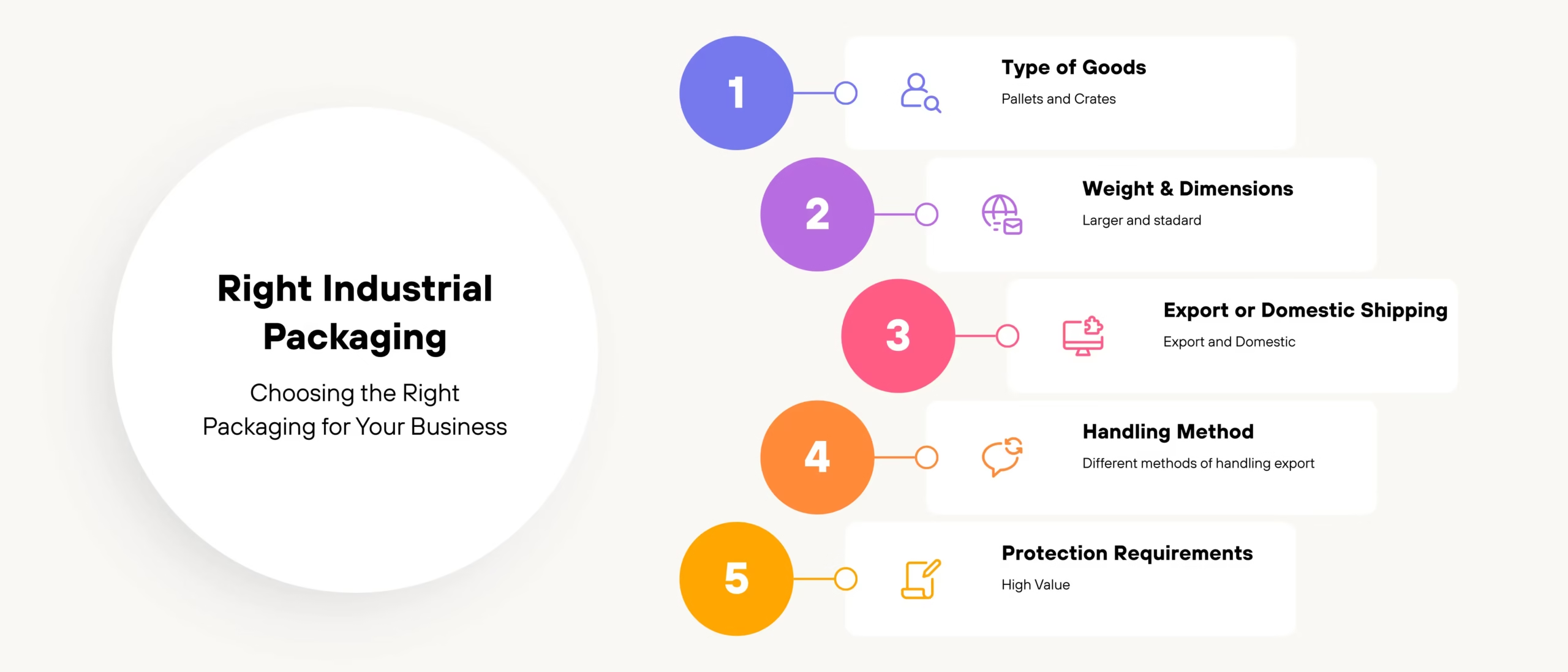
Many companies unknowingly reduce cargo safety or increase costs through poor packaging decisions.
Avoid These Mistakes
- Using pallets for fragile items instead of crates
- Not verifying ISPM 15 compliance
- Overloading pallets beyond capacity
- Ignoring moisture protection for export cargo
- Choosing the wrong pallet size
- Using low-quality or untreated wood
- Not securing cargo firmly
- Underestimating shipping risks
Proper consultation with an industrial packaging expert prevents these costly errors.
13. How to Choose Export-Ready Packaging
Follow these steps to ensure your shipment is export-ready:
- Analyze cargo type (fragile, heavy, sensitive, etc.)
- Choose between pallet or crate based on protection needs
- Confirm ISPM 15 certification (required for wood packaging)
- Add moisture and shock protection
- Use high-quality fasteners and reinforcements
- Ensure the packaging design meets destination country guidelines
- Label cargo clearly for handlers and customs
Export packaging is not just about protection—it’s about compliance and efficiency.
Need wooden Packaging Products?
14. Pallets vs Crates: Which Is Best for Industrial Businesses?
Determining whether pallets or crates are the better choice for industrial operations depends on the type of cargo and the conditions it will face across the supply chain. Pallets are ideal for goods that are not fragile, already boxed, or naturally stable during transport. They support fast warehouse handling, enable smooth forklift movement, and help reduce labor and loading time, making them a strong option for businesses prioritizing efficiency and cost-effective logistics. For reference, standardized pallet dimensions used globally follow the ISO pallet standards, which further enhance compatibility across automated storage and distribution systems.
Choosing the Right Packaging Based on Cargo, Handling & Risk Level:
In contrast, crates become essential for fragile, high-value, or heavy cargo requiring maximum protection from origin to destination. Their enclosed design offers superior structural strength, shielding products from weather, vibration, and impact—the types of risks commonly encountered in international shipping. Global packaging protection guidelines from the International Safe Transit Association (ISTA) support the use of enclosed wooden crates for sensitive equipment, electronics, and precision machinery. Additionally, the Food and Agriculture Organization (FAO) highlights that wooden packaging provides safer handling during long-distance exports, especially when cargo undergoes multiple loading and unloading cycles.
FAQs
1. What is the main difference between pallets and crates?
Pallets are open flat platforms, while crates are enclosed wooden boxes offering maximum protection.
2. Which is better for international shipping?
Crates. They offer better protection and comply more easily with export guidelines.
3. When should businesses use pallets?
When shipping boxed, non-fragile, or stackable items that require easy forklift handling.
4. When are wooden crates necessary?
For fragile, heavy, valuable, or irregularly shaped goods especially for long-distance export.
5. Do pallets require ISPM 15 certification?
Yes, wooden pallets used for export must meet ISPM 15 requirements.
6. What are the benefits of pallets for shipping?
They are cost-effective, easy to handle, reusable, and ideal for bulk goods.