
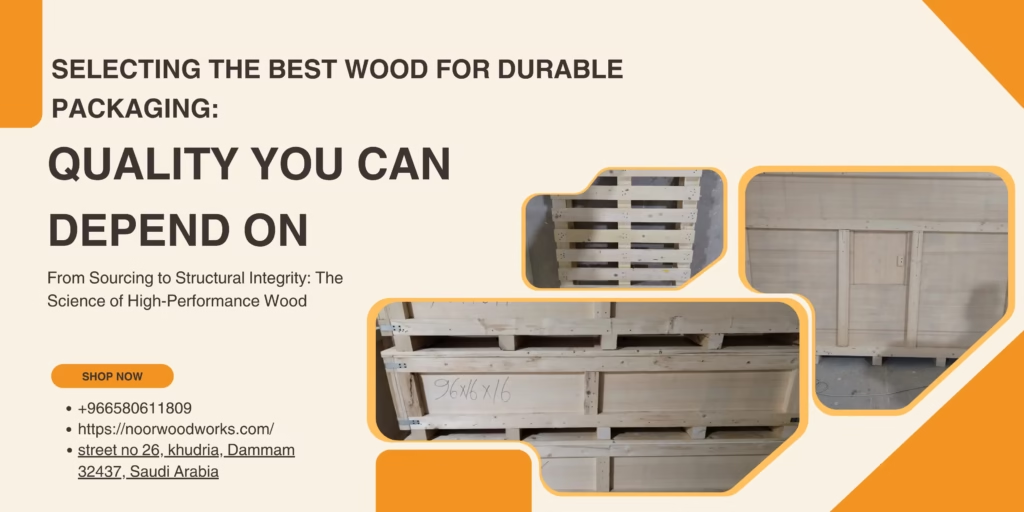
Materials Used in Wooden Packaging and Why They Matter
A delayed shipment frustrates your team. Damaged cargo arrives at its destination.Rising costs quietly impact your budget, and the cause often hides in plain sight.In many cases, logistics do not cause the problem. Choosing the wrong wooden packaging materials does.In Saudi Arabia’s industrial and export environment, the packaging team directly affects cargo safety, handling efficiency, and compliance with international requirements.The right material keeps operations running smoothly. The wrong choice damages goods, delays shipments, and drives up costs.This guide breaks everything down in a simple, practical way, helping you select materials that match your cargo and business needs. Let’s break down how to choose the right material for your specific industrial needs.
What Are Wooden Packaging Materials?
Definition and Core Purpose
Wooden packaging materials provide structural support, protect cargo, and ensure safe transport. Manufacturers use both natural timber and engineered wood as materials used in wooden packaging. The purpose of use is to protect goods during storage and transport. Resultantly, right type directly affects handling efficiency and shipment safety.
Solid Wood vs Engineered Wood
- Solid wood
It is natural timber that offers high strength and durability.
- Engineered wood
Manufacturers design it for consistency and cost efficiency (also for predictable performance).
Uses in Industry
Industries widely use these materials in:
- Industrial shipping
- Warehousing operations
- Export logistics
Understanding these categories is very important. It helps industrial buyers select the proper wooden packaging materials (especially for heavy or high-value cargo).
Types of Wooden Packaging Materials
There are different types of wooden packaging materials. All of them protect cargo and improve cost efficiency. Different industries and shipment types demand different materials.
There are two main categories that industries commonly use:
Solid Wood Packaging Materials
Manufacturers use solid wood as a traditional choice. They use it for heavy duty protection. It provides natural strength. It also withstands repeated handling without losing integrity.
- Hardwood supports heavy machinery. People use it for high value cargo because of its density and durability.
- Softwood is lighter. It is easier to handle and more affordable for general cargo.
Industries prefer solid wood for shipments where structural strength is critical. When industries choose the right wooden packaging for heavy loads, they actually want safety and operational efficiency.
Engineered Wood Packaging Materials
Manufacturers produce engineered wood to offer consistent quality and predictable performance. This is totally different from solid wood as they design it to meet specific standards.
- Plywood delivers layered strength and flexibility.
- OSB (Oriented Strand Board) performs well for panels and custom shapes.
- Particle board is best for smaller shipments.
Many companies choose engineered wood packaging materials when uniformity and cost control are priorities. It can be observed in large scale industrial operations.
Choosing the Right Type for Industrial Applications
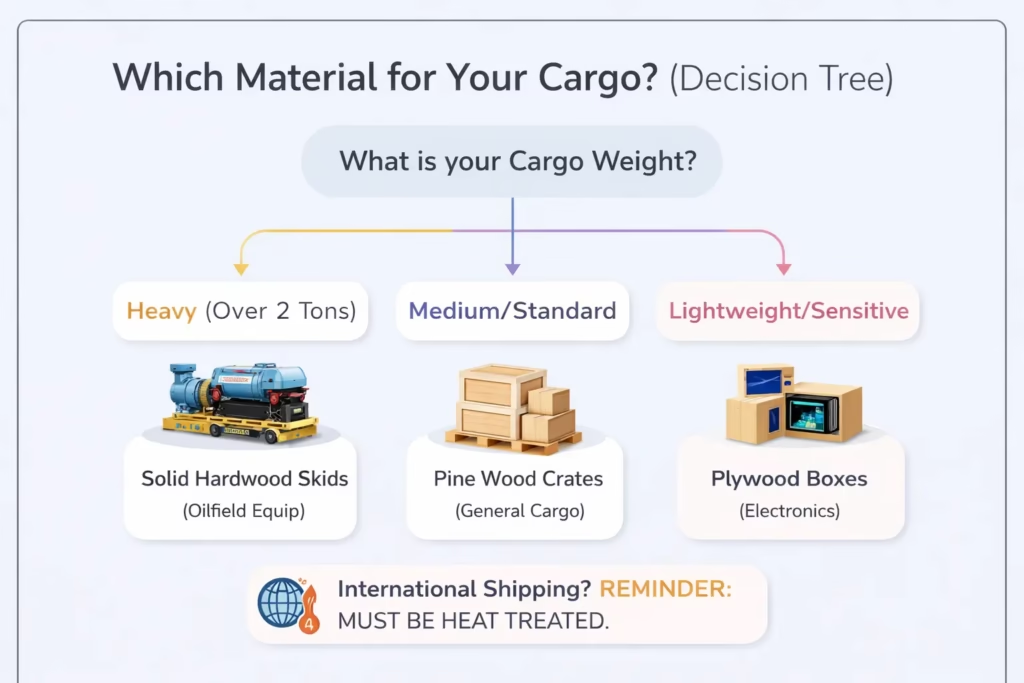
Here are some of the parameters for Industries to select the right material:
- Cargo weight and size (varies)
- Transport conditions (road, sea, air)
- Budget
- Reusability and handling requirements
On the basis of these factors and the right wooden packaging material types, businesses in KSA can protect shipments and optimize costs. They can easily meet both local and export standards.
Hardwood vs Softwood Packaging: Which One Should You Choose?
Industries make one of the first decisions by choosing between hardwood and softwood when selecting wooden packaging materials. Each type directly affects durability and cost. Suitability for different industrial cargo is also one of the factors.
Key Differences in Strength, Cost, and Weight
Hardwood and softwood differ in structure and performance:
- Hardwood: It provides high strength and supports heavy machinery. It handles long distance shipments; it weighs more and costs more.
- Softwood: It offers moderate strength and is lightweight. It is easy to handle and cost-effective (suits general cargo).
Making the wrong choice can damage shipments and reduce operational efficiency.
Factor | Hardwood | Softwood |
Strength | High | Moderate |
Cost | Higher | Lower |
Weight | Heavy | Light |
Best Use | Heavy machinery, high-value cargo | General cargo, moderate shipments |
Not sure which is right for your cargo? Our team can recommend the ideal option based on your load requirements.
Best Use Cases for Hardwood in Industrial Packaging
Industries prefer hardwood when shipments demand maximum durability. Industries use it for:
- Transport heavy equipment and industrial machinery
- Export high-value goods (for need extra protection)
- Handle repeated stacking and frequent movement
Hardwood’s natural density aligns with typical hardwood pallets properties. This makes it ideal for high-stakes industrial shipments.
When Softwood Becomes the Better Option
Industries choose softwood for lighter cargo. It is also used for cost sensitive operations. It is also used for:
- Ship medium-weight items that do not require extreme strength
- Handle cargo frequently, where lower weight reduces labor strain
- Transport general cargo (needing moderate protection)
Softwood’s flexibility reflects common softwood pallets characteristics. It provides a practical balance between performance and cost.
Making the Choice for Your Cargo
Businesses base their decision on following factors:
- Weight
- Type of cargo
- Distance
- Mode of transport
- Budget
- Reusability considerations
If businesses in KSA understand the difference of hardwood vs softwood packaging, they can optimize costs. It also maintains cargo safety and compliance with industrial standards.
Materials for Wooden Pallets, Boxes, and Crates
The right materials for pallets, boxes, and crates protects cargo and ensures operational efficiency. On the other hand, the wrong material can damage shipments and cause delays. It also increases costs. Industrial buyers make informed decisions for their operations if they understand each type..
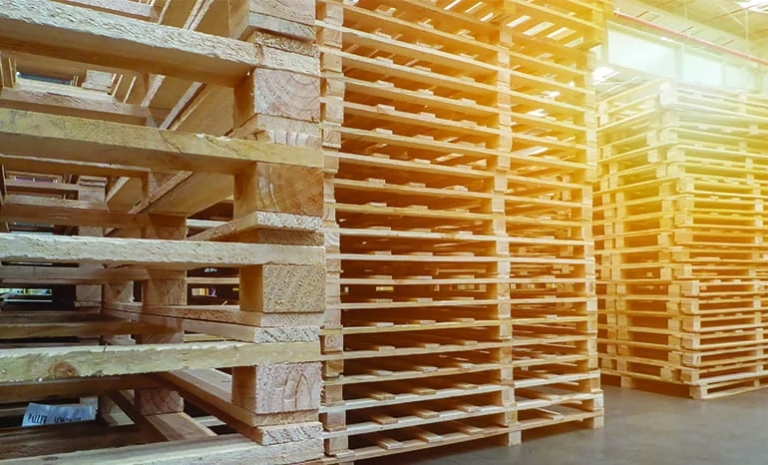
Wooden Pallets and Load-Bearing Materials
Pallets form the backbone of cargo handling. They require materials that withstand repeated lifting and transport.
- Strong hardwood and high-grade softwood provides stability for pallet load-bearing materials
- Engineered wood, such as plywood, delivers consistency for standardized operations
Reliable pallet materials help maintain safe handling of wooden packaging used for heavy loads in both local and export logistics.
Materials for Wooden Boxes
Boxes enclose cargo. They provide additional protection for sensitive shipments.
- Hardwood boxes resist deformation. They support heavy goods.
- Softwood boxes remain lighter. They are easier to handle for moderate loads.
- Engineered wood boxes offer predictable performance for standardized shipments
If you select the proper materials for wooden pallets and boxes, it keeps cargo intact. It also meets handling requirements.
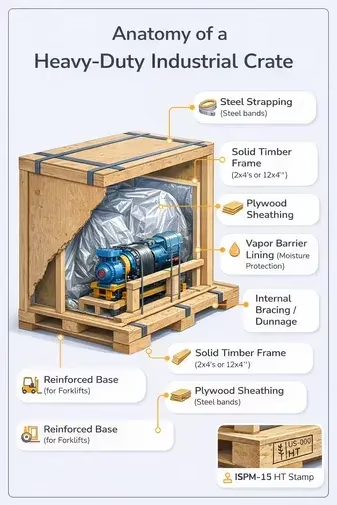
Materials for Wooden Crates
Crates provide maximum protection during transit. They require strong materials to prevent damage from shocks and stacking.
- Hardwood or engineered wood delivers structural strength for heavy equipment
- Wooden crate material strength protects sensitive and high value cargo
- Modular designs support efficient reusability and help manage costs
Suppliers must provide export wooden packaging materials that meet international standards to prevent delays.
Engineered Wood vs Solid Wood: Cost vs Performance
Industries make a key decision by choosing between engineered wood and solid wood when selecting wooden packaging materials. Each type delivers different advantages. It totally depends on durability, moisture resistance, and cost considerations.
Durability and Structural Performance
- Solid wood provides natural strength and long-lasting durability, making it ideal for high-value and heavy cargo
- Engineered wood delivers predictable strength and lightweight options, suitable for standardized industrial packaging
Moisture Resistance and Environmental Considerations
- Engineered wood often resists moisture better. This makes it perfect for sea shipments.
- Solid wood may require additional treatment to prevent warping and pest issues.
Trusted suppliers like us, Noor Wood Works, always suggest moisture-resistant wooden packaging. It maintains structural integrity during transit.
Cost Efficiency and Operational Value
- Engineered wood often costs less for bulk shipments and repeated use.
- Solid wood costs more. On the other hand it provides premium durability for critical cargo.
Balancing cost is the key factor. Engineered wood vs solid wood packaging is a very common debate in this industry, and industrial buyers can make choices that fit both budget and operational requirements.
Need custom wooden Packaging?
Imported vs Local Wood: What Works Best in KSA?
When sourcing wooden packaging materials in Saudi Arabia, buyers often face the choice between imported timber and locally available wood. Each option has its own advantages. It totally depends on factors like cargo value, project scale, and budget.
Advantages of Imported Wood
Imported wood, often from Europe, is prized for its consistency and quality:
- High durability and uniform density for critical cargo
- Reduced risk of defects, warping, or structural failure
- Ideal for high-value shipments requiring premium protection
- Many exporters prefer FSC certified wood packaging for compliance and credibility
Benefits of Local Wood
Local wood is more readily available and cost-effective, making it suitable for everyday industrial shipments:
- Faster procurement and lower transportation costs
- Suitable for general cargo and moderate-weight shipments
- Can meet most local industrial packaging needs with proper treatment
Choosing Based on Shipment Needs
Selecting between imported and local wood depends on:
- Cargo weight and sensitivity
- Export or domestic shipment requirements
- Budget and operational priorities
By understanding the differences, businesses can make informed decisions on imported timber for wooden packaging versus local alternatives, ensuring both cost efficiency and compliance with international standards.
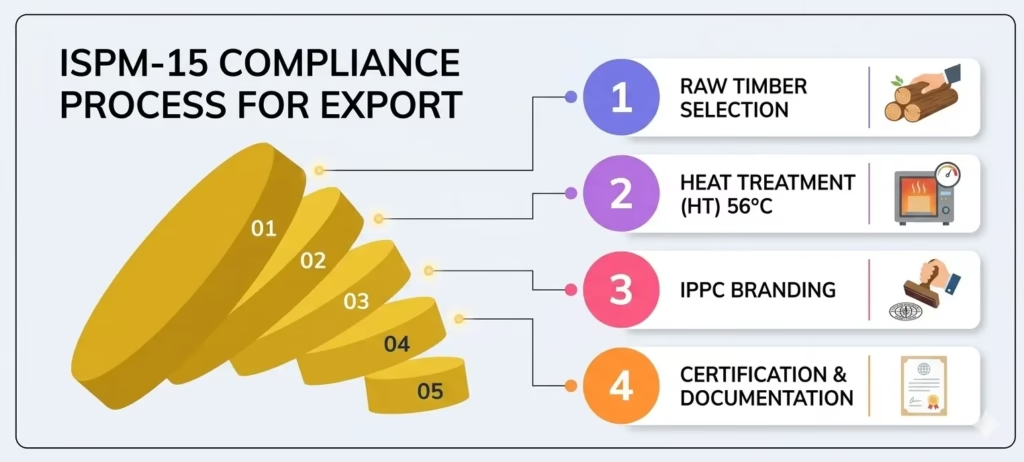
Export Standards and Compliance
For industrial shipments, especially international exports, businesses must do more than choose the right wooden packaging materials. They must also follow global standards to ensure smooth transit and avoid delays or penalties.
Understanding ISPM 15 Treated Wood
ISPM 15 sets an international standard (for wooden packaging used in export).
- Requires heat treatment and fumigation (purpose is to prevent pest infestations)
- Ensures timber meets export quality and safety standards
- Helps businesses prevent shipment rejection at customs
Businesses use ISPM 15 treated wood. It remains critical for businesses shipping goods from KSA to global markets.
Key Export Packaging Material Standards
Proper material thickness adds to load-bearing strength as:
- Moisture-resistant properties protect cargo during long-distance transit
- Certification documentation supports legal compliance
Following export packaging material standards helps businesses reduce risk, protect cargo, and maintain their reputation with international clients.
Benefits of Compliance for Industrial Shipments
- Reduces the risk of delays or penalties at destination ports
- Protects high-value cargo during transit
- Improves operational efficiency through standardized materials
Industrial buyers in KSA who are fully compliant with export wooden packaging materials, can meet global requirements. It certainly reduces the operational challenges.
We provide fully ISPM 15-compliant wooden packaging for seamless international shipping.
Key Factors When Choosing Wooden Packaging Materials
For industrial shipments, especially international exports, businesses must do more than choose the right wooden packaging materials. They must also follow global standards to ensure smooth transit and avoid delays or penalties.
Understanding ISPM 15 Treated Wood
ISPM 15 sets an international standard (for wooden packaging used in export).
- Requires heat treatment and fumigation (purpose is to prevent pest infestations)
- Ensures timber meets export quality and safety standards
- Helps businesses prevent shipment rejection at customs
Businesses use ISPM 15 treated wood. It remains critical for businesses shipping goods from KSA to global markets.
Key Export Packaging Material Standards
Proper material thickness adds to load-bearing strength as:
- Moisture-resistant properties protect cargo during long-distance transit
- Certification documentation supports legal compliance
Following export packaging material standards helps businesses reduce risk, protect cargo, and maintain their reputation with international clients.
Benefits of Compliance for Industrial Shipments
- Reduces the risk of delays or penalties at destination ports
- Protects high-value cargo during transit
- Improves operational efficiency through standardized materials
Industrial buyers in KSA who are fully compliant with export wooden packaging materials, can meet global requirements. It certainly reduces the operational challenges.
We provide fully ISPM 15-compliant wooden packaging for seamless international shipping.
Sustainable Wooden Packaging Solutions
Sustainability plays a key role when businesses choose industrial wooden packaging materials. Eco-friendly options reduce environmental impact. It also improves operational efficiency and strengthens a company’s reputation.
Eco-Friendly Material Options
Many businesses prefer recycled and reclaimed wood. It reduces pressure on forests. FSC certified timber ensures responsible sourcing. It aligns with international sustainability standards.
- Recycled timber minimizes environmental footprint
- FSC-certified wood guarantees responsible forest management
- Eco-friendly engineered wood replaces virgin timber without compromising strength
These materials help companies balance durability, compliance, and sustainability in their packaging operations.
Reusable Packaging for Industrial Efficiency
Durable pallets, crates, and boxes designed for repeated use save money and reduce waste. Industrial buyers use reusable wooden packaging materials to improve long-term efficiency while maintaining cargo protection.
- Cuts procurement costs over time
- Maintains consistent protection for shipments
- Simplifies handling and storage
Waste Reduction and Circular Practices
Optimized design and material use reduce waste and promote circular practices. Properly designed wood panels and components can be repurposed or recycled at the end of their lifecycle, supporting both business and environmental goals.
- Efficient cutting patterns minimize offcuts
- Materials can be recycled or repurposed
- Supports compliance with modern industrial and export standards
By implementing these strategies, businesses can ensure that wooden packaging for heavy loads remains reliable, cost-effective, and environmentally responsible.
Why Choosing the Right Supplier Matters in KSA
Good materials are one part of the job, but a trusted supplier brings everything together. They ensure quality, meet ISPM 15 and other export standards and provide solutions based on real industrial needs. They help you select the right material. You can stay on schedule and they guide you on proper handling and reuse.
With the right supplier, businesses in KSA can make sure their wooden packaging for heavy loads stays durable. They can avail practical solutions, and they can meet export demands.
Are you looking for reliable wooden packaging solutions in KSA? Our wooden packaging experts can design the right material solution for your cargo, contact us today.
Final Thoughts
It is very important to choose the right wooden packaging material for protecting the cargo and reducing shipment cost. It is also very important to ensure compliance with local and international standards. When businesses are well aware of material types, their durability, cost, and sustainability factors, they can make easy and informed decisions.
A reliable supplier completes the equation as they provide you with expert-level advice. They offer custom solutions, as every business has different requirements in every capacity. When a business meets with a reliable supplier, it can easily make informed decisions and achieve better ROI. Businesses can protect their valuable cargo. They can also maintain smooth and efficient operations.
Get in touch with our team for customized wooden packaging solutions tailored to your business.