
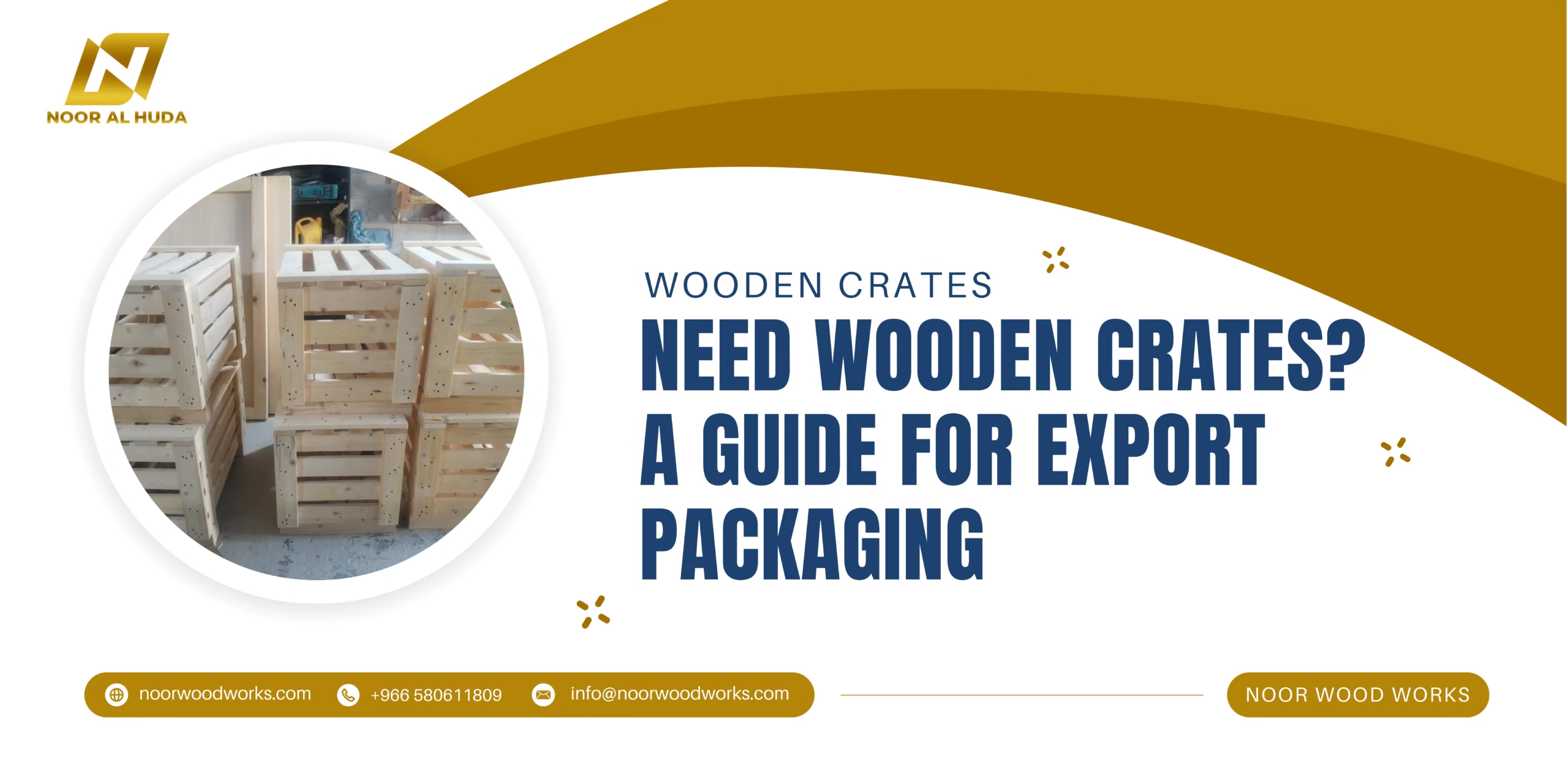
Need Wooden Crates? A Guide for Export Packaging
Exporters in Dammam know that choosing the right packaging can make or break an international shipment. Among the many export packaging options available today, wooden crates for exports remain one of the most trusted and widely used solutions especially for heavy, fragile, or high-value cargo. Their durability, customizability, and global acceptance make them a preferred choice for shipping industries across Saudi Arabia and beyond.
In this comprehensive export packaging guide, you will learn everything about choosing and using export wooden crates, understanding ISPM 15 rules for crates, crate design considerations, phytosanitary risk reduction, inspection checklists, and more. Whether you’re shipping machinery, electronics, chemicals, or fragile items, this guide has what you need.
2. Why Are Wooden Crates Important for Export Packaging in Dammam?
Dammam serves as a major export hub in the Eastern Province, with industries like oil & gas equipment, automotive parts, chemicals, FMCG machinery, and construction materials depending heavily on export logistics. For such industries, wooden crates for exports offer unmatched strength and versatility.
Wooden crates protect cargo from:
- Impact and vibrations
- Excessive pressure during stacking
- Humidity and handling stress
- Long-distance travel hazards
They are also ideal for shipments going through King Abdulaziz Port, land freight routes to Gulf countries, and global air freight channels.
3. What Are the Main Types of Wooden Crates Used for Exports?
Understanding the types of wooden crates helps exporters choose the right structure for their cargo:
Key Types of Wooden Crates Used in Saudi Arabia:
- Natural Wooden Crates: Lightweight and ideal for general-purpose storage or retail displays.
- Standard Wood Crates: Strong, versatile, and widely used for industrial shipments.
- Pallet Collars: Space-saving, stackable, and perfect for adjustable-height packaging.
- White Wood Fence Crates: Provide ventilation and are suited for products that require airflow.
- Insulated Wooden Crates: Used for temperature-sensitive cargo, electronics, and delicate instruments.
- Modular Crates: Designed for flexibility, allowing easy assembly and transport of varied cargo sizes.
- Military-Grade Crates: Built for extreme durability, ideal for heavy-duty and high-value exports.
- Wooden Display Crates: Attractive and functional, commonly used for exhibitions and retail.
- Hinged-Lid Crates: Convenient for repeated access to contents during storage or inspections.
- Open Slatted Crates: Cost-effective, lightweight, and suitable for goods requiring structural support without full enclosure.
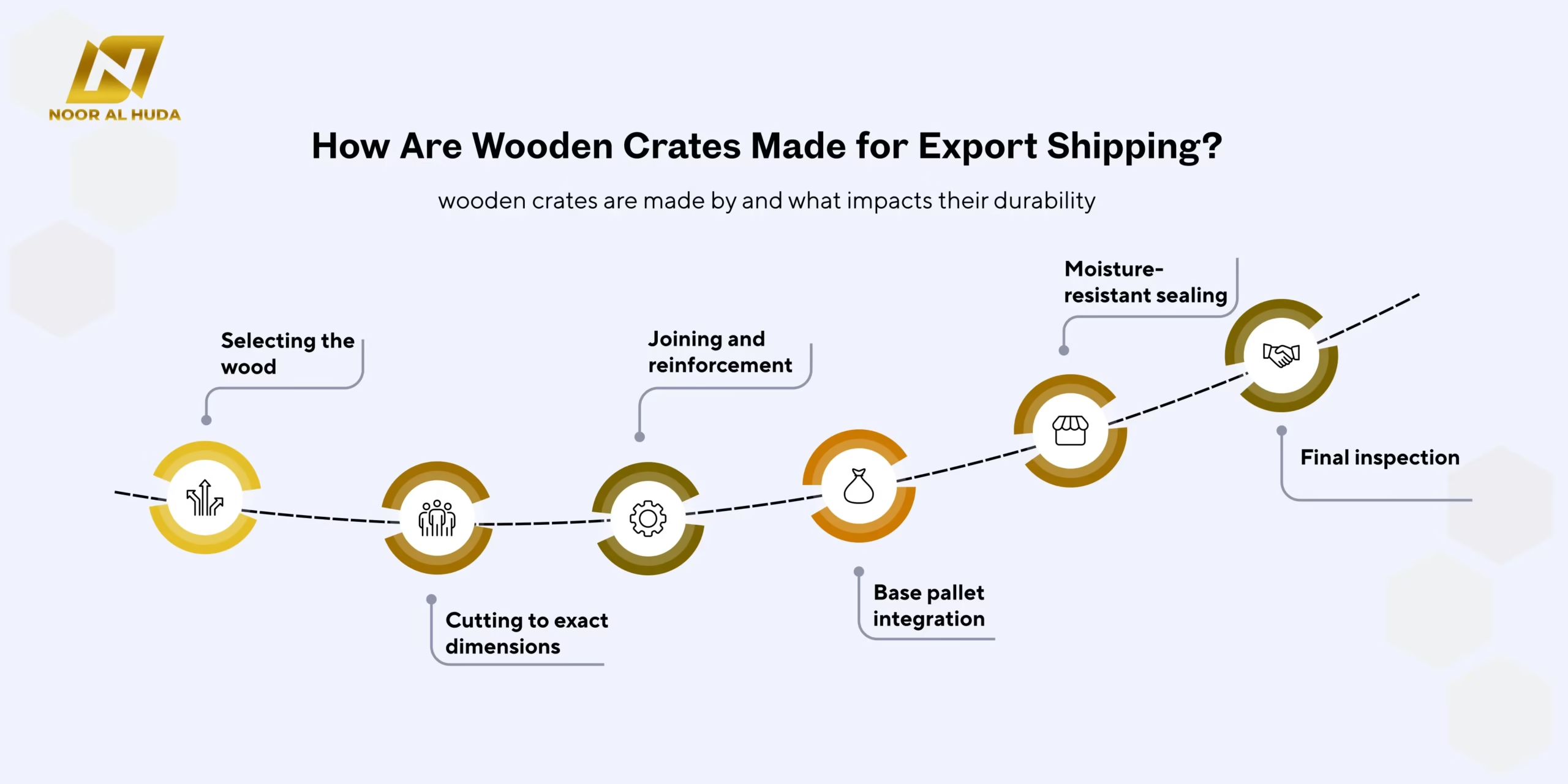
4. How Are Wooden Crates Made for Export Shipping?
Many exporters wonder how wooden crates are made and what impacts their durability. The manufacturing process typically includes:
- Selecting the wood: Heat-treated, ISPM 15-compliant timber is mandatory.
- Cutting to exact dimensions: Based on cargo measurements.
- Joining and reinforcement: Using nails, screws, metal brackets, and corner blocks.
- Base pallet integration: Ensures compatibility with forklifts and pallet jacks.
- Moisture-resistant sealing: For crates requiring extra humidity protection.
- Final inspection: To meet international shipping crate guidelines.
Understanding this process ensures that your crates meet global wooden crate standards and minimize risk during transit.
5. What Are the Key Wooden Crate Requirements for Exporters?
Export wooden crates must meet strict global requirements, especially when shipping from Saudi Arabia to Europe, the US, and Asia. Here are essential wooden crate requirements:
- Use heat-treated wood per ISPM 15 rules.
- Include IPPC marking for phytosanitary compliance.
- Ensure the crate design supports the cargo weight distribution.
- Follow international wooden crate standards for thickness, joinery, and load capacity.
- Use corrosion-resistant fasteners for humid or marine environments.
- Apply suitable internal supports for fragile or sensitive cargo.
- Ensure the crate exterior includes shipping labels and handling marks.
Meeting these requirements can prevent delays, fines, quarantine, or cargo rejection at the destination port.
5.1 What Is Heat-Treated Wood and Why Is It Required?
Heat-treated wood is timber that has been heated to at least 56°C for 30 minutes to kill pests and insects. This treatment ensures compliance with the ISPM 15 rules for crates.
5.2. Why ISPM 15 Is Required
ISPM 15 is a global phytosanitary standard that prevents the spread of wood-borne pests. It’s mandatory for wooden packaging shipped internationally.
Heat-treated wood offers benefits such as:
- Reduced phytosanitary risks
- Stronger export acceptance
- Lower moisture content
- Minimized risk of mold
- Improved durability for long-distance transport
Many import countries reject untreated wood, so using heat-treated boards is essential to minimise wood pack risk phytosanitary issues.
6. How Do Wooden Crates Protect Cargo During Shipping?
Strong wooden crates protect cargo through:
1. Shock Absorption
Thick wooden panels absorb impact from handling and loading.
2. Weight Distribution
Custom crate bases support heavy machinery and prevent collapsing during stacking.
3. Environmental Resistance
When equipped with moisture-resistant layers, crates protect cargo from humidity, rain, and sea air.
4. Internal Cushioning
Foam, bubble wrap, VCI films, and blocking materials help secure fragile goods.
5. Mechanical Protection
Wooden crates are designed to resist compression, vibration, and side pressure crucial for fragile or expensive equipment.
This structural integrity makes wooden crates safer than many alternatives.
7. Wooden Crates vs Wooden Boxes: What’s the Difference?
Although the terms are often used interchangeably, they are different:
- Wooden crates have frames and structural supports. They’re used for heavier loads and industrial exports.
- Wooden boxes are lighter, fully enclosed, and suitable for smaller items.
- Crates offer more strength and support, especially for machinery and industrial goods, making them the better choice for exports.
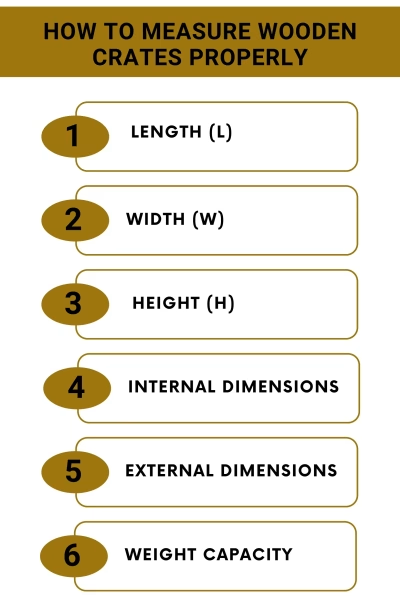
8. How to Measure Wooden Crates Properly for Export?
Correct dimensions are crucial when planning freight costs and crate design. Measurements should include:
- Length (L) – Longest side
- Width (W) – Shortest side
- Height (H) – From base to top
- Internal dimensions – For cargo fit
- External dimensions – For shipping charges
- Weight capacity – Load-bearing limits
Accurate crate measurement avoids cargo damage and unexpected freight fees.
9. What Are the Best Crate Designs for Fragile Goods?
Fragile cargo requires special crate engineering including:
- Double-wall crate construction
- High-density foam or shock absorbers
- Anti-vibration mounts for machinery
- Moisture-resistant wooden packaging
- Reinforced bases and edges
- Internal bracing for uneven or delicate shapes
Custom crate design protects fragile products like electronics, glass, instruments, and lab equipment.
10. What Should Your Wooden Crate Inspection Checklist Include?
A thorough wooden crate inspection checklist should verify:
- Solid, crack-free wood
- Reinforced corners and joints
- Stable and level pallet base
- No moisture or mold
- Adequate internal cushioning
- Secure nailing/screwing
- Accurate labeling
- Correct size and weight rating
Completing this checklist helps avoid delays and cargo rejection.
11. What Export Documentation Is Needed for Wooden Packaging?
Exporters may be required to provide several key documents to ensure smooth customs clearance worldwide. These typically include a detailed packing list with crate dimensions, a material declaration, and country-of-origin information for the packaged goods. Essential transport documents such as the Bill of Lading or Airway Bill must also be included, along with photos for pre-shipment approvals when requested by authorities or clients. Additionally, exporters must provide proof of compliance with international wooden shipping crate guidelines, ensuring the packaging meets global standards.
Together, these documents help prevent delays, rejections, and complications during international transit.
12. What Are the Benefits of Using Wooden Crates for Export Cargo?
Some major advantages include:
- Strong and durable
- Cost-effective
- Fully customizable
- Acceptable worldwide
- Suitable for heavy machinery
- Stackable and easy to load
- Eco-friendly and recyclable
- Excellent cargo safety for shipping
These benefits make them ideal for Dammam’s logistics and export manufacturing sectors.
Need custom wooden Pallets?
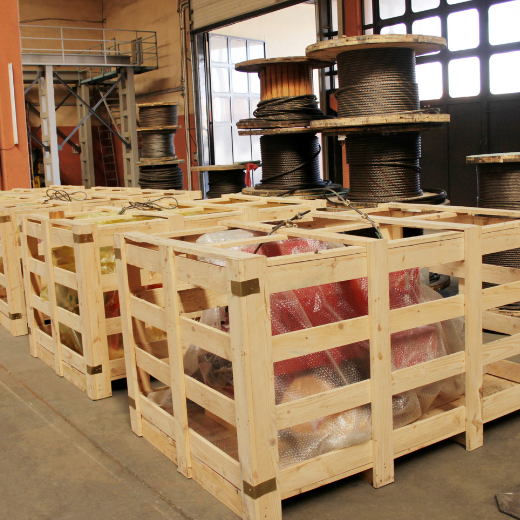
13. What Steps Should You Follow to Prepare Wooden Crates for Shipping?
Key wooden crate preparation steps:
- Measure the cargo
- Choose the right crate type
- Install internal cushioning
- Add moisture barriers if needed
- Secure the cargo tightly
- Seal the crate properly
- Label with handling symbols
- Complete the inspection checklist
Following these steps ensures maximum safety during transport.
14. What Are the Best Cargo Loading Tips for Wooden Crates?
To load cargo safely:
- Keep weight centered
- Avoid empty spaces
- Use blocking and bracing
- Lift with forklifts from designed points
- Do not overload the base
- Use corrosion-resistant fasteners
- Add shock-absorbing mounts for machinery
- Proper loading prevents internal damage and transit accidents.
15.What Is the Environmental Impact of Wooden Crates?
Wooden crates offer environmental advantages:
- Made from renewable materials
- Recyclable and reusable
- Long lifespan
- Low carbon footprint compared to plastic alternatives
- Biodegradable
By using responsibly sourced, heat-treated wood, companies can support sustainable export logistics.
16.FAQs: Wooden Crates for Exports
1. Are wooden crates mandatory for exports?
Not always, but most heavy or fragile goods require them for safety and compliance with shipping standards.
2. What is the difference between heat-treated and fumigated wood?
Heat treatment is safer and globally accepted; fumigation is banned in many countries due to chemical risks.
3. How do I know if a crate is ISPM 15 compliant?
It must have a valid IPPC stamp showing heat treatment details.
4. Can wooden crates be reused?
Yes, as long as they remain structurally safe and maintain their IPPC markings.
5. What industries commonly use to export wooden crates?
Machinery, electronics, oil & gas equipment, automotive, chemicals, and FMCG.
6. How long does a wooden crate last?
With proper storage and maintenance, crates can last several years.
7. Are wooden crates waterproof?
Not fully, unless additional moisture-resistant features or barriers are added.
8. Can I ship wooden crates without documentation?
No. Heat treatment certificates and packing details are usually required for international clearance.